
Update
STATERA ENERGY
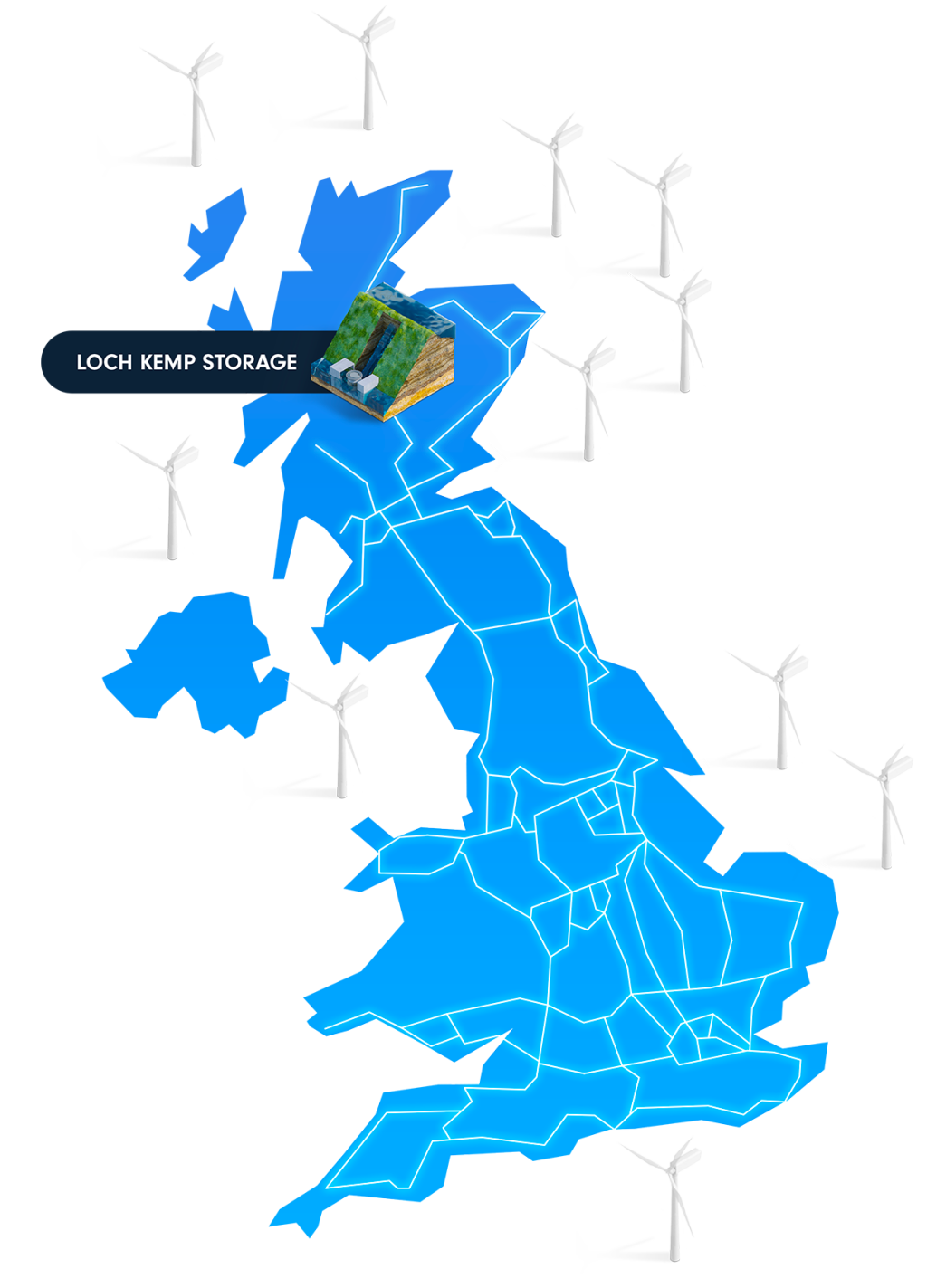
LOCH KEMP STORAGE
Harnessing the Highlands’ natural landscape and engineering heritage to store energy at scale and provide energy flexibility and security
Overview Why is the project needed?
An introduction to Loch Kemp Storage
Scotland is home to the UK’s highest mountain, largest inland lochs and high annual rainfall, making the Scottish Highlands an ideal location for pumped storage hydro (PSH). The oldest form of large-scale energy storage, PSH uses the natural landscape to store energy as raised water.
Loch Kemp Storage will store excess renewable electricity and generate up to 600MW of power, providing the UK National Grid with accessible medium-duration energy storage.
Pumped storage hydro capacity will play an essential role in the journey towards Net Zero, and Loch Kemp Storage provides an opportunity to invest in the long-term environmental management of the area.
Value More about benefits
Benefits to the uk & local area
Provides 600MW of low carbon pumped storage hydro capacity
Increases energy security, reducing future energy costs and enabling Net Zero
Developing skills and creating generational local employment in construction and operation
Investing in the conservation and regeneration of unique biodiversity over the project lifetime
Technology More about Pumped Storage Hydro
Pumped storage hydro is key to the UK's Net Zero transition
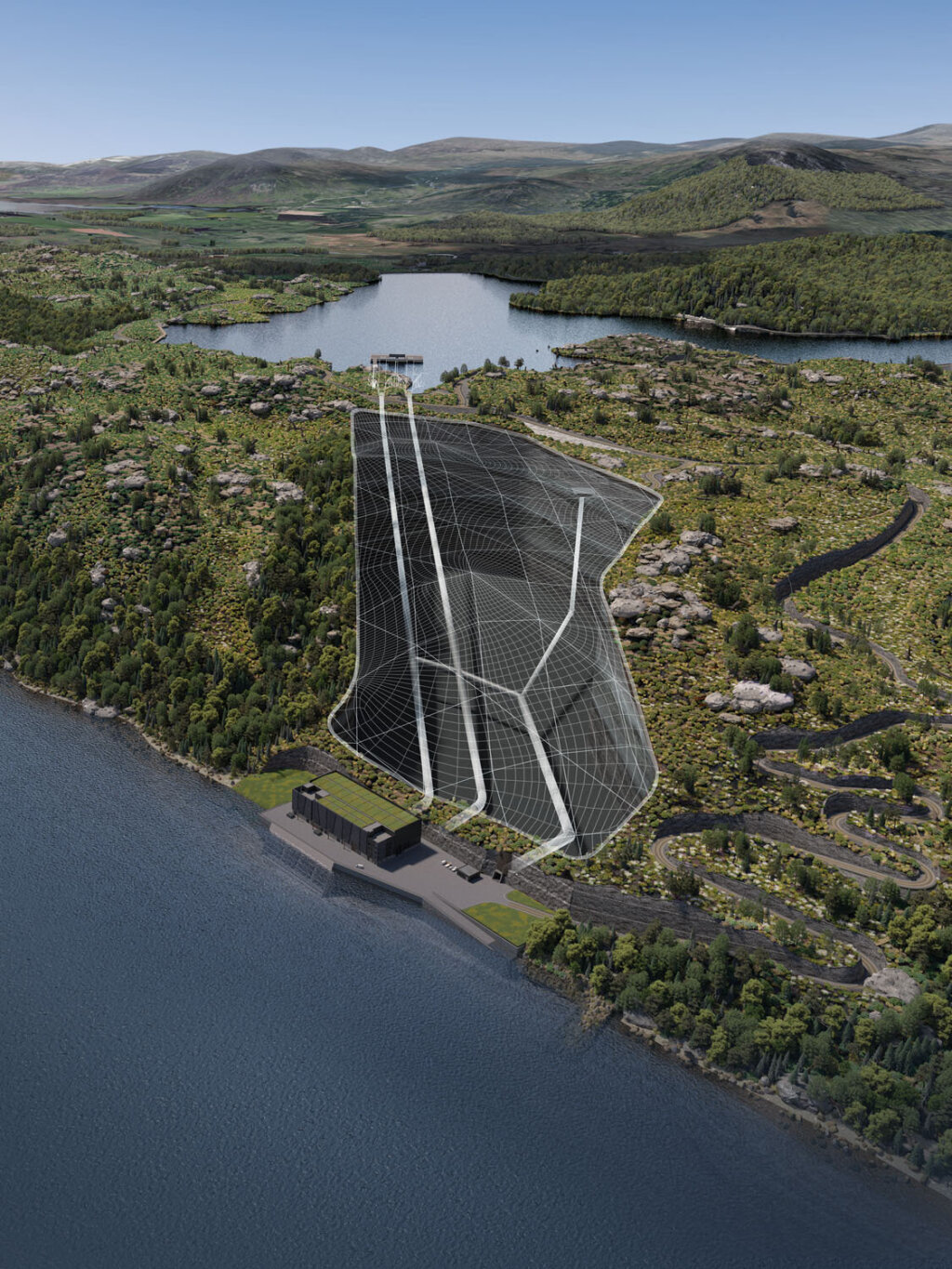
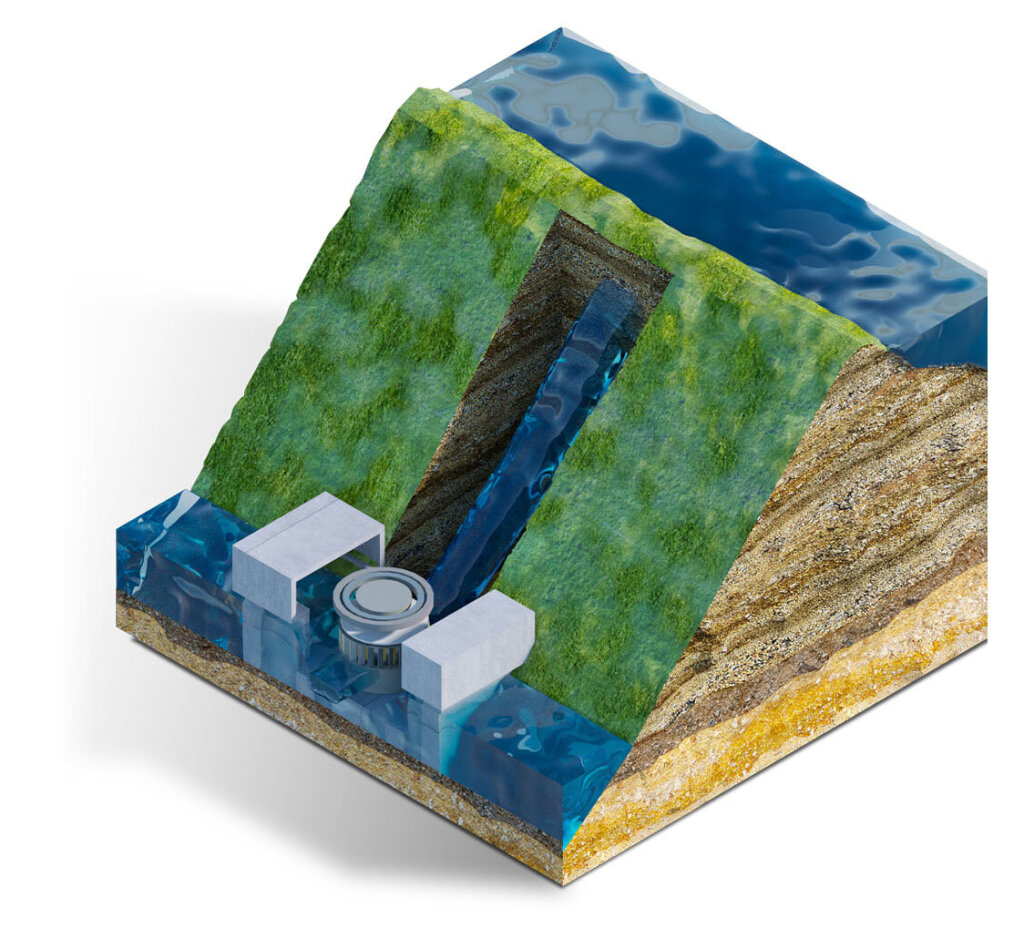
Pumped storage hydro is a proven zero carbon technology for providing accessible medium-duration energy storage. At times of peak demand, water in an upper reservoir is released to a lower reservoir and flows through a hydro turbine, generating electricity. When demand is low, excess energy on the grid is used to pump water back to the upper reservoir.
Location
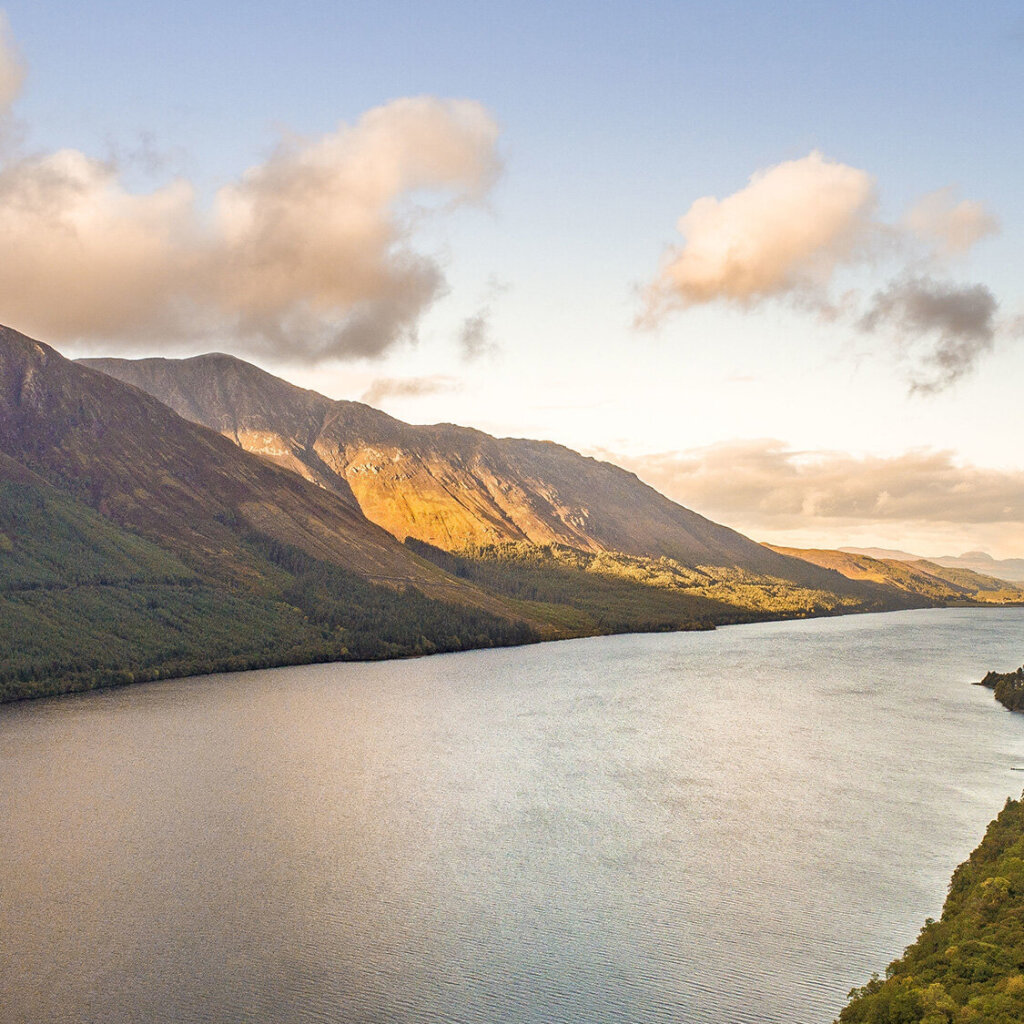
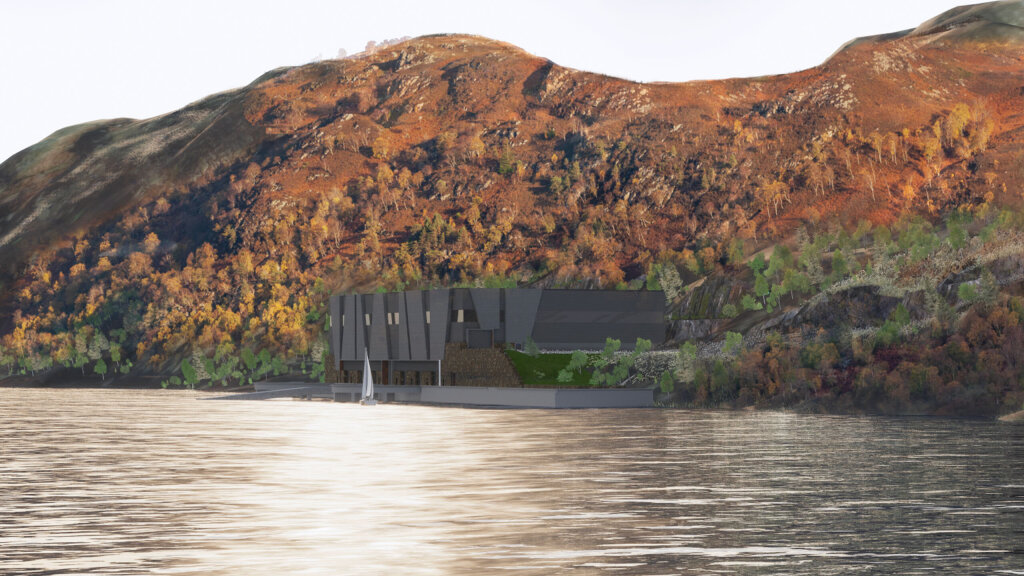
On the shores of Loch Ness
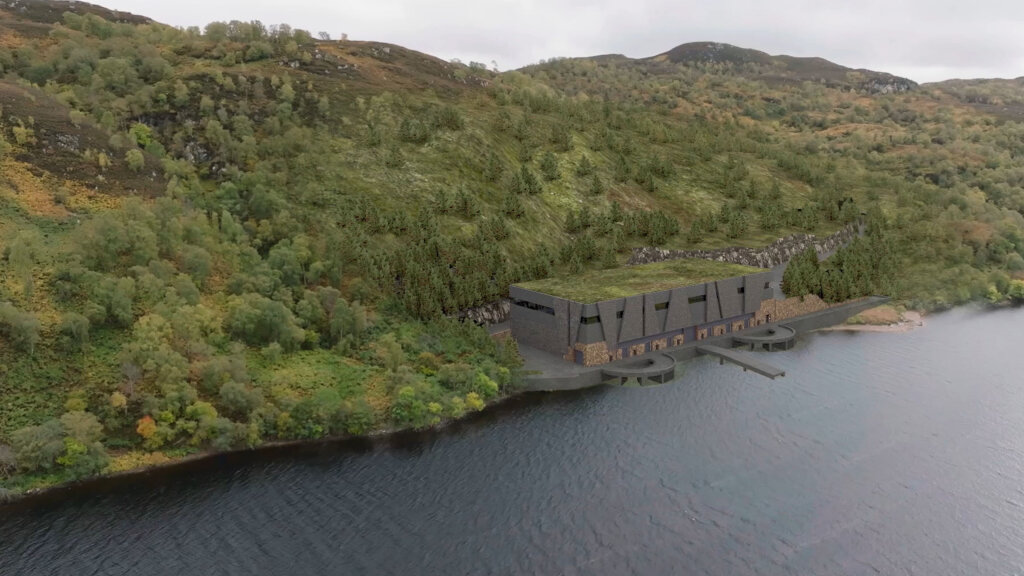
The Proposed Development site is located on the southern shores of Loch Ness, between Fort Augustus and Inverness in the Scottish Highlands. The pumped storage hydro technology would use the existing Loch Kemp as the upper reservoir and Loch Ness as the lower reservoir.
Latest news
View all
Who is Statera More about Statera
Grid-scale energy storage & generation technologies
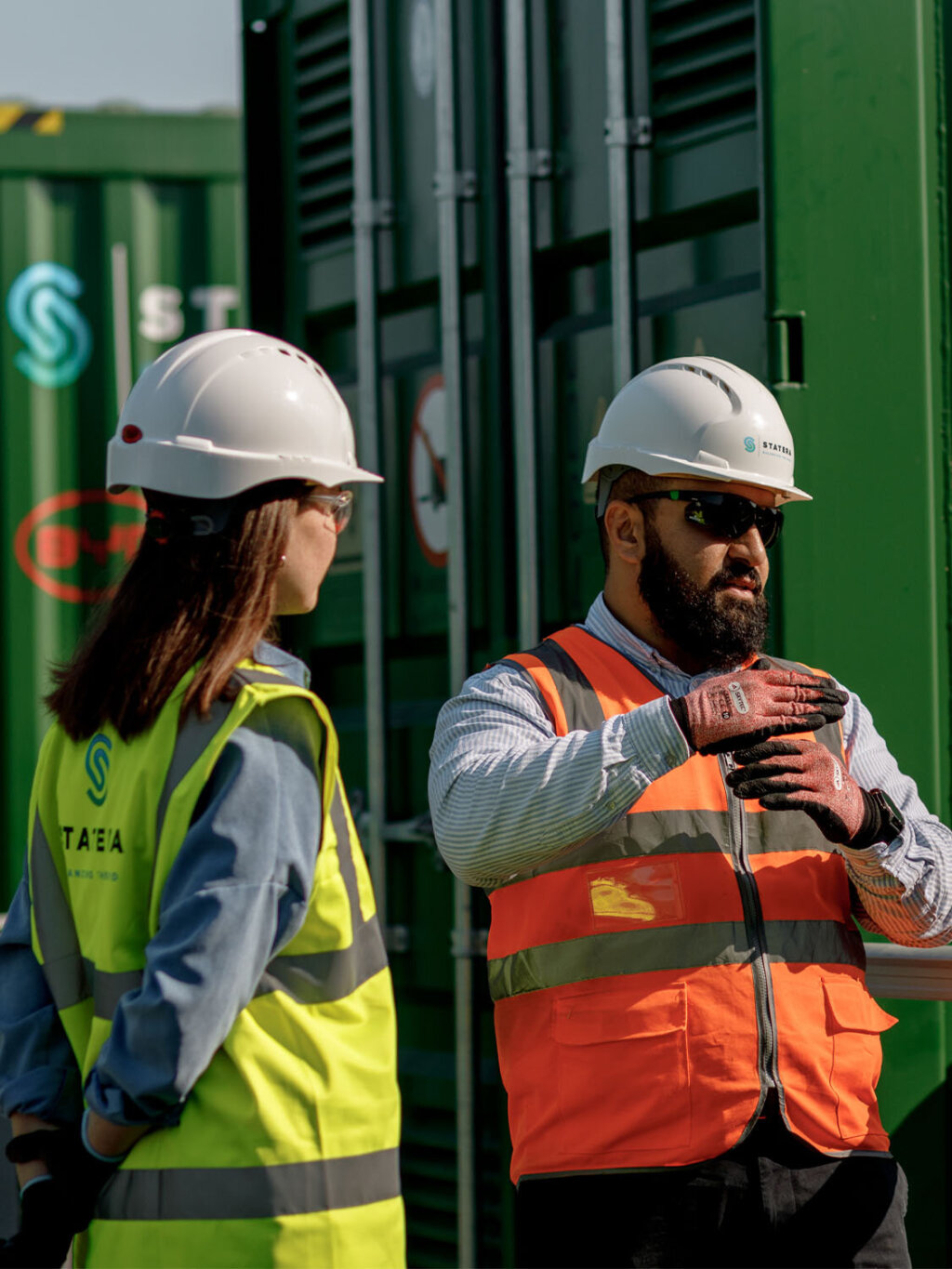
We build, own and operate flexible generation, battery storage, pumped hydro and green hydrogen projects across the country, ensuring that the UK has clean, secure and affordable electricity whatever the weather.
These assets will help the UK build more renewable energy, more quickly, by providing the flexible capacity needed to balance the future grid. In turn, this technology will lower carbon emissions and deliver best value for energy users.